

The Art of Harmonizing Flavors and Textures in Cooking
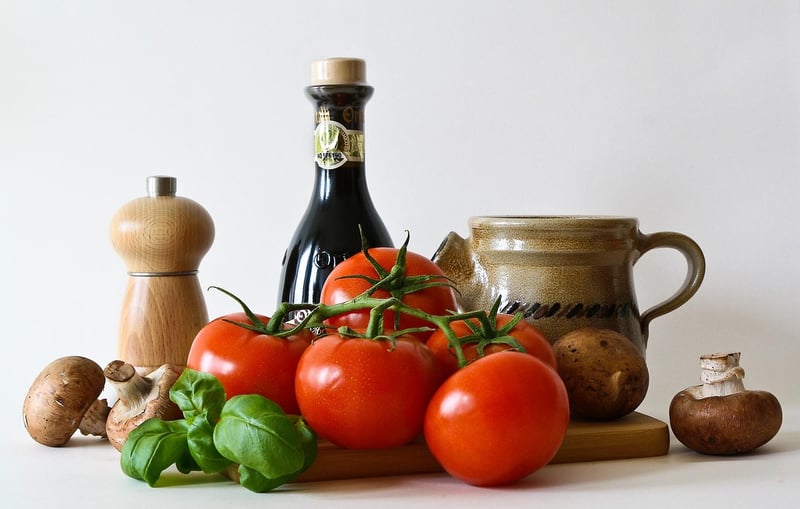
Cooking is not just about following a recipe; it's about understanding how different flavors and textures work together to create a harmonious dish. By mastering the art of combining flavors and textures, you can elevate your cooking to a whole new level.
Harmonizing Flavors
When it comes to harmonizing flavors, the key is to balance different taste elements such as sweet, sour, salty, bitter, and umami. By combining ingredients that hit all these taste notes, you can create a well-rounded and delicious dish.
Examples of Flavor Combinations:
- Sweet and Sour: Think of a classic sweet and sour sauce that combines the sweetness of sugar with the tanginess of vinegar.
- Salty and Sweet: Salted caramel is a perfect example of how salt can enhance the sweetness of caramel.
- Bitter and Sweet: Dark chocolate often pairs bitter cocoa with sweet sugar for a complex flavor profile.
Working with Textures
Texture is another important element in cooking that can take a dish from good to great. By incorporating a variety of textures, you can add interest and dimension to your meals.
Texture Contrast:
One way to play with textures is by creating contrast in your dishes. Pairing crispy with creamy, soft with crunchy, or smooth with rough can create an exciting eating experience.
Examples of Texture Contrasts:
- Crispy and Creamy: A crispy fried chicken exterior paired with a creamy coleslaw.
- Soft and Crunchy: Tender poached pears served with a crunchy almond crumble.
- Smooth and Rough: Silky mashed potatoes topped with crispy fried onions.
By understanding how to harmonize flavors and textures, you can take your cooking skills to the next level and create memorable dining experiences for yourself and others.