
Exploring the Scientific Side of Cooking + Molecular Gastronomy
Are you a food enthusiast who is always looking to take your culinary skills to the next level? Do you want to understand the science behind the art of cooking? If so, exploring the world of molecular gastronomy might just be the perfect adventure for you.
What is Molecular Gastronomy?
Molecular gastronomy is a branch of food science that investigates the physical and chemical transformations that occur during cooking. It combines physics and chemistry to explore and experiment with the ingredients, techniques, and tools used in cooking.
Key Concepts in Molecular Gastronomy:
- Spherification: Transforming liquids into spheres using sodium alginate and calcium chloride.
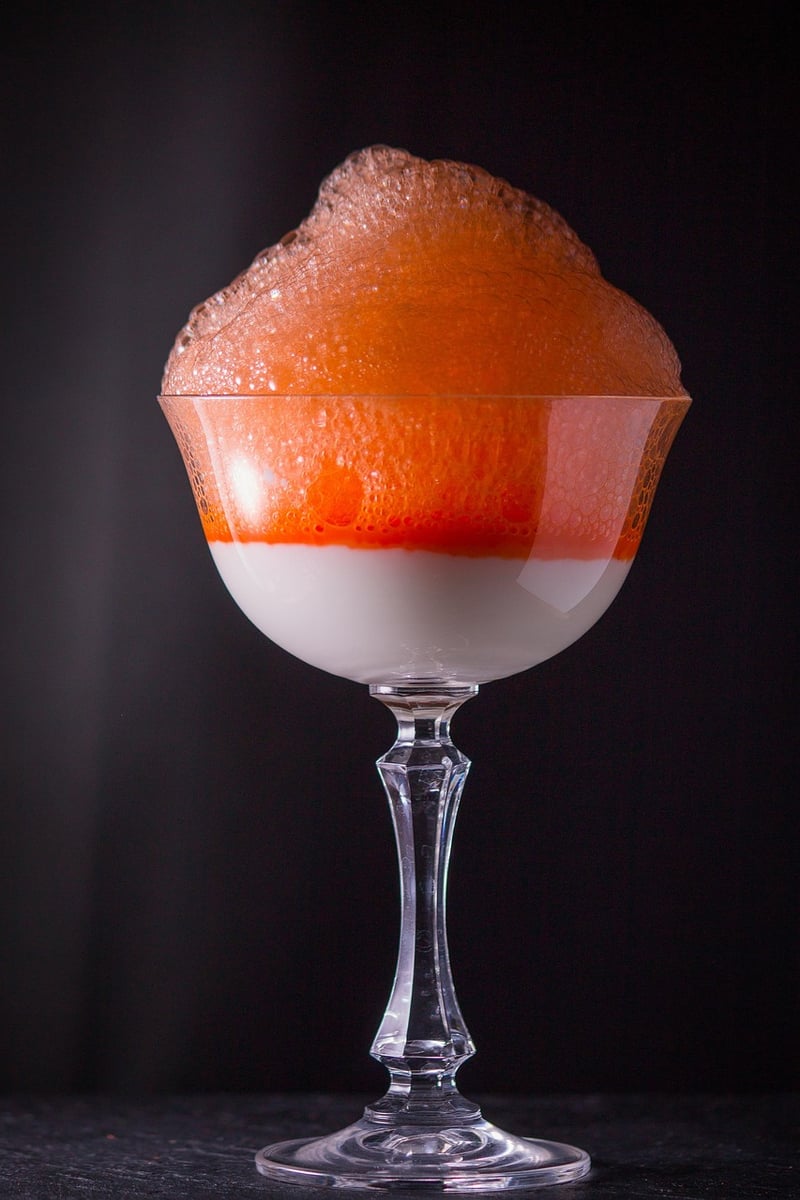
- Foams: Creating stable foams using ingredients like soy lecithin.
- Gelification: Turning liquids into gels using gelling agents such as agar-agar or gelatin.
- Sous Vide: Cooking food in vacuum-sealed bags at precise temperatures for optimal results.
Why Explore Molecular Gastronomy?
By delving into the world of molecular gastronomy, you can unlock a whole new realm of creativity in the kitchen. Understanding the science behind cooking allows you to push boundaries, innovate with flavors and textures, and surprise your taste buds in ways you never thought possible.
Get Started with Molecular Gastronomy
If you're ready to embark on this culinary journey, start by experimenting with simple techniques like spherification or gelification. Invest in a sous vide machine to explore precise temperature cooking. Join workshops, watch online tutorials, and dive into books authored by renowned chefs in the field.
Ready to Experiment?
Embrace the fusion of science and cooking by exploring the fascinating world of molecular gastronomy. Unleash your inner scientist in the kitchen and elevate your culinary creations to new heights!
Remember, cooking is an art, but understanding the science behind it can be a game-changer. So, put on your lab coat (or apron) and get ready to revolutionize your cooking experience!