
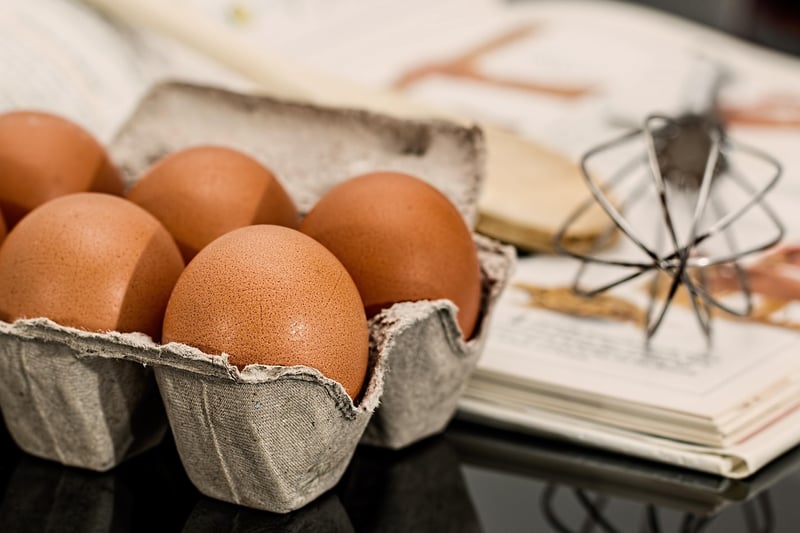
Exploring the Scientific Side of Cooking
Have you ever wondered why a soufflé rises or how a perfect steak is seared? The answer lies in the fascinating world of culinary physics. By understanding the scientific principles behind cooking, you can elevate your culinary skills to a whole new level.
The Maillard Reaction
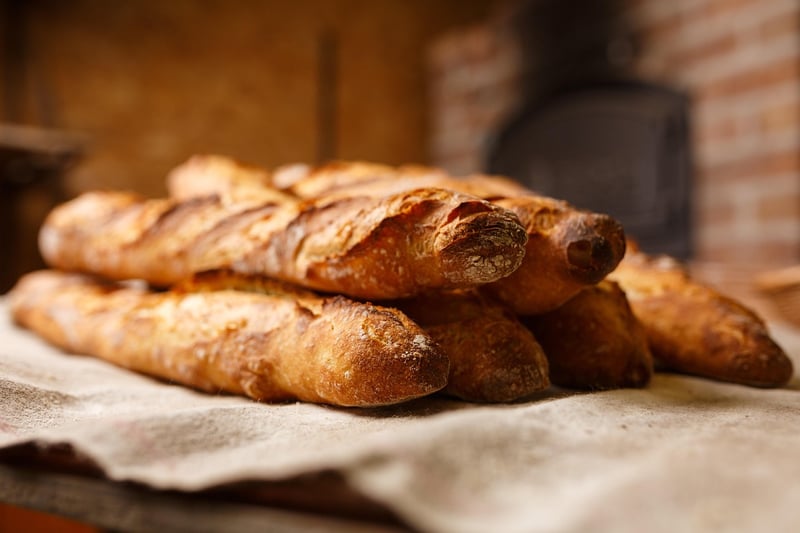
One of the key concepts in culinary physics is the Maillard reaction. This chemical reaction between amino acids and reducing sugars is responsible for the delicious browning of bread, searing of meats, and caramelization of sugar. The Maillard reaction not only enhances the flavor but also creates appealing textures in various dishes.
Sous Vide Cooking
Sous vide is a cooking technique that involves vacuum-sealing food in a bag and cooking it in a water bath at a precise temperature. This method utilizes the principles of heat transfer and precision cooking to achieve consistent results every time. Sous vide cooking is popular for its ability to retain the natural flavors and moisture of the ingredients.
Emulsions and Foams
Emulsions and foams are essential in creating light and airy textures in dishes like mayonnaise, hollandaise sauce, and meringue. These culinary techniques rely on the principles of surface tension and the stabilization of air bubbles within a liquid. Understanding the science behind emulsions and foams can help you master the art of creating delicate and visually stunning dishes.

Conclusion
By delving into the world of culinary physics, you can unlock a deeper understanding of the processes that occur during cooking. Experimenting with scientific principles in the kitchen not only enhances your cooking skills but also allows you to appreciate the art and science behind every dish you create.
So next time you step into the kitchen, remember that cooking is not just an art but also a science waiting to be explored.